
Rumour and the Shape of Fear
Henry IV, Part 2This thread traces how false reports distort the northern response to battle and how the play links rumor to political instability.
increasing Bearing strength in each event
 decreasing
Bearing strength in each eventdecreasingThe Voice Before Events
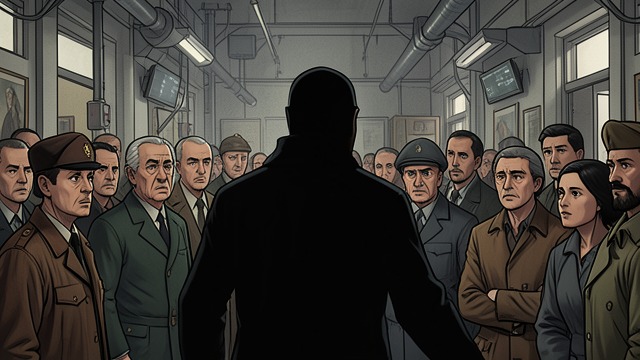
Rumour Takes the Stage
A Self-Declared Messenger
Rumour introduces itself as a force that travels faster than verified news and speaks in many tongues. It admits that its power comes from surmise, jealousy, and conjecture.
Fear Made Public
By describing troops and dangers that may not exist, Rumour turns uncertainty into apparent fact. Its presence prepares the audience to distrust the reports that will shape Northumberland's decisions.
A Victory Invented
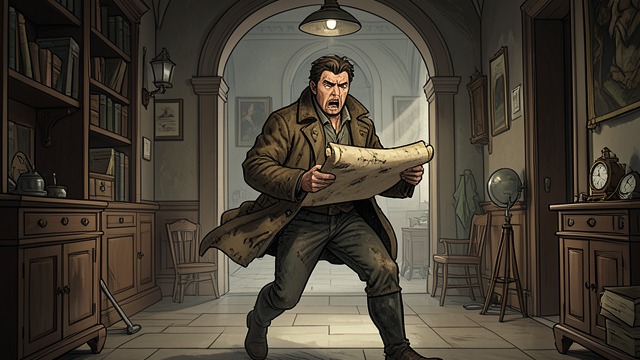
False News Arrives
An Unverified Report
Lord Bardolph reports that the king is near death, Prince Henry has been slain, and Harry Percy has won. His account is based on hearsay rather than direct observation.
Hope Takes Hold
Northumberland wants to believe the report because it promises victory for his son and cause. The emotional appeal of the news helps it pass as certainty before a second messenger arrives.
Contradictory Testimony
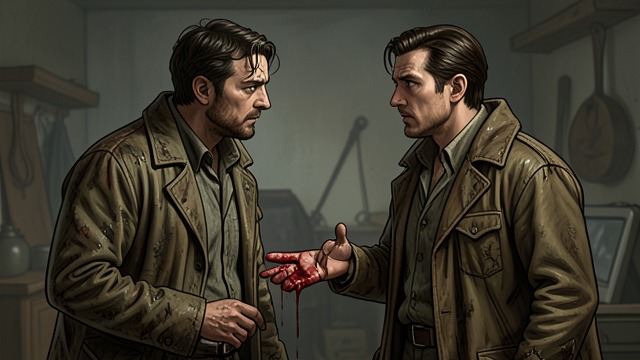
News in Collision
A Rider's Warning
Travers recounts meeting a bloodied traveler who said the rebellion had suffered and Harry Percy's spur was cold. The messenger's haste gives the news force without providing Northumberland with full certainty.
Denial and Reassurance
Lord Bardolph dismisses the traveler as a thief who spoke at random. The dispute shows how people choose which report to trust according to the outcome they most desire.
Morton's Witness
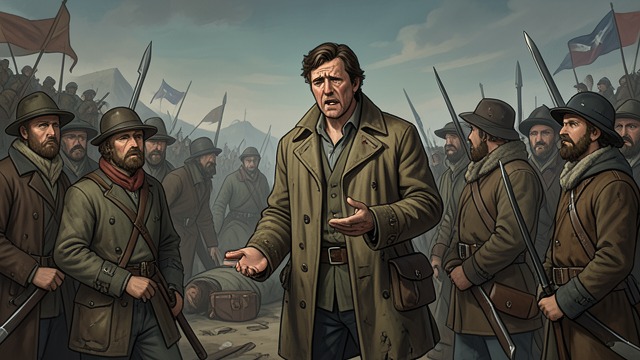
The Truth Arrives
A Direct Account
Morton describes Harry Percy's death, the capture of Worcester, and the collapse of the rebel force. His testimony replaces hopeful conjecture with a detailed account of defeat.
The Cost of Belief
Northumberland's confidence gives way to grief and rage. Rumour has not merely misstated events; it has intensified the shock of the truth by first offering him the opposite story.
The King's Doubt
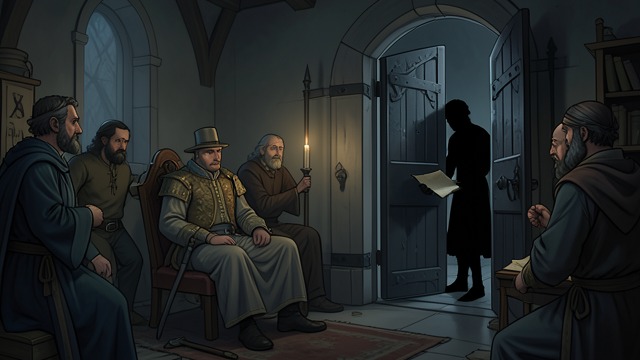
Numbers Enlarged
Fearful Reports
The king hears that the Archbishop and Northumberland command fifty thousand men. Warwick warns that Rumour doubles the numbers of those whom people fear.
Political Consequence
The scene echoes the earlier confusion at Warkworth, now from the royal side. The play presents rumor as a force that can magnify military danger even when its claims remain unverified.
Before the first report reaches Warkworth
When Lord Bardolph first meets Northumberland
As Travers reports what he heard on the road
When Morton reaches Warkworth with the battle's outcome
During King Henry IV's late-night council
